
£18,000 a Year in Diesel — How One Dairy Farm Took Back Control of Its Power

Paul's farm in Pembrokeshire
600-acre dairy farm | 400 cows | Milking twice a day, 365 days a year
The Reality of Running a 400-Cow Dairy Farm
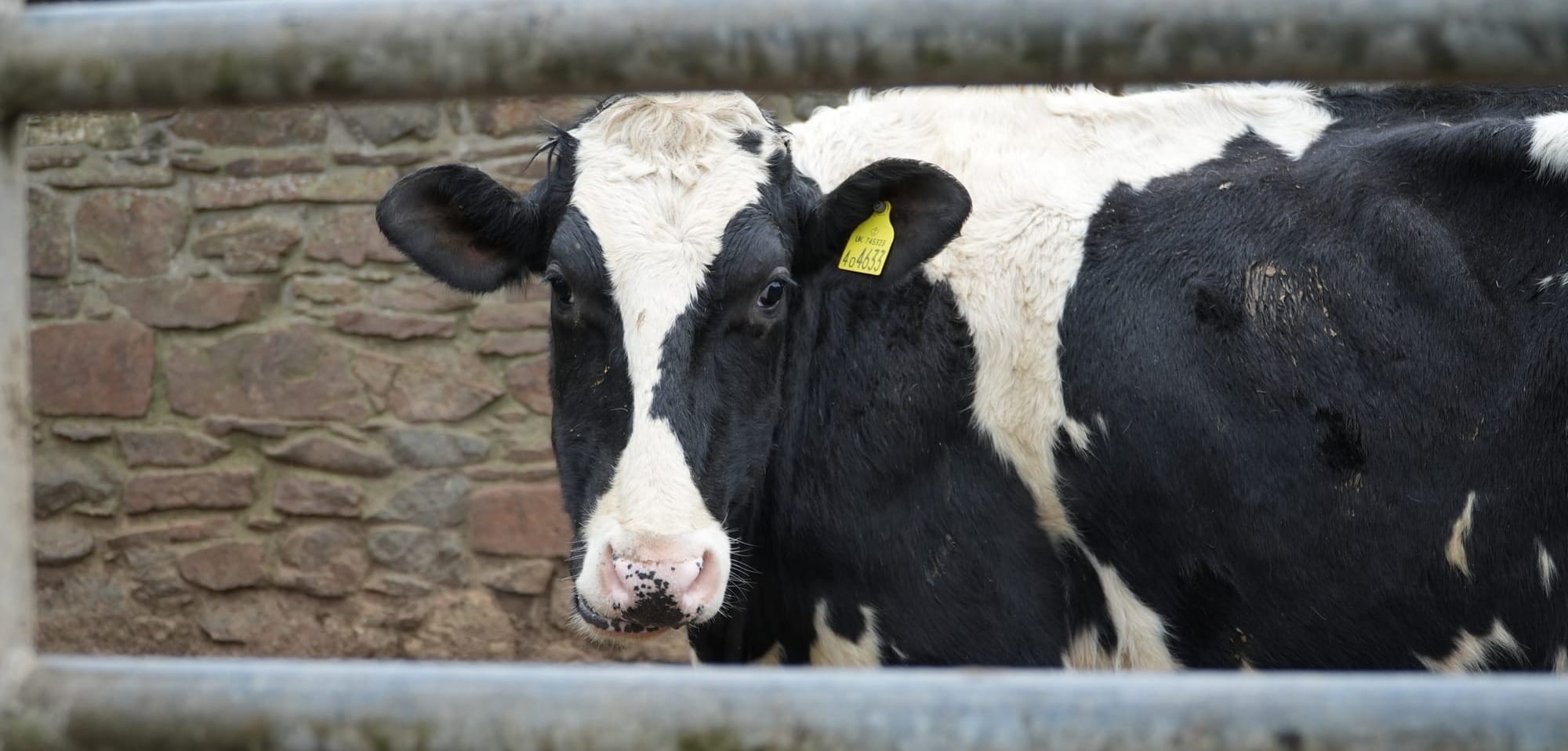
Set against the sea views is a 600-acre dairy farm with around 400 cows. It’s the kind of view most people would book a holiday for — but dairy farming doesn’t allow for days off.
The cows are milked twice a day, seven days a week. That means reliable staff, reliable systems and reliable power are vital for business to succeed.
On a dairy farm, power isn’t a convenience. It’s survival for the farmer and his cows.
The Problem: Not Enough Power From the Grid
Paul’s farm has a 100-amp grid supply. However, his main fuse was recently reduced from 100 amps to 80 amps. On paper it might not sound dramatic — but in practice, it created a serious problem and serious stress for Paul.
As well as this change, like all farms Paul needed to upgrade his systems. He was left with no choice but to upgrade one of the motors in his milk tank chillers . After moving from a 3.5hp motor to a 5hp motor, the farm began hitting the limits of its supply more and more. Every time milking started, the fuse would blow within 20 minutes. Not only is this inconvenient, it completely stops milking at the busiest time of the day whilst Paul has to wait for an electrician to come out and replace the fuse.
Milking simply couldn’t run reliably from the grid anymore. The only option? Run the backup generator, but that generator was never designed to be the primary power source.
The Cost of Relying on a Generator
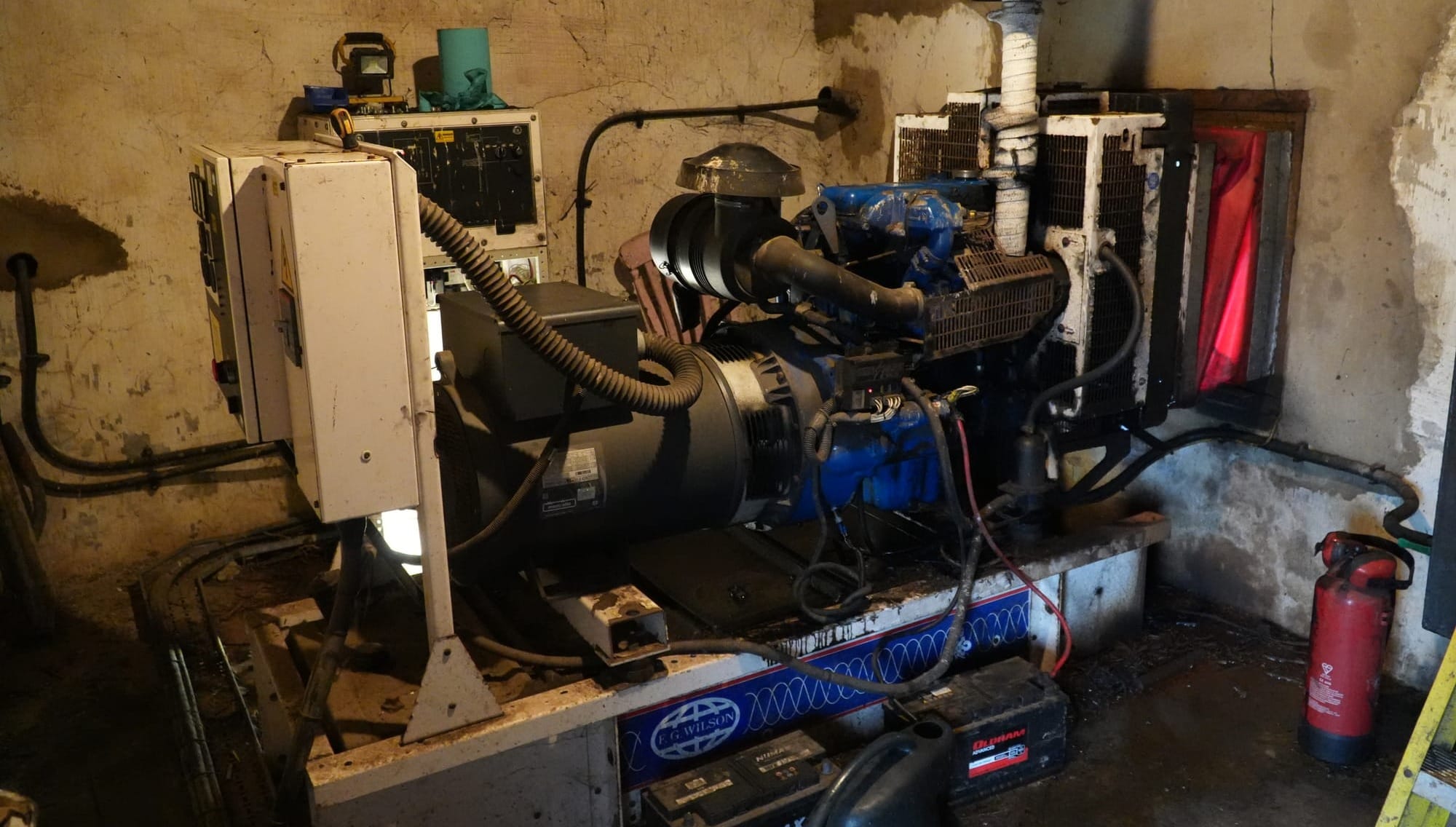
The backup generator — originally installed 20 years ago for occasional use — suddenly became the farm’s primary power source.
It began running 8–9 hours per day.
The cost?
- Around £1,500 per month in diesel
- Approximately £18,000 per year
- Increased wear and tear
- Emergency engineer call-outs
- Replacement parts
- Sleepless nights
With over 10,000 hours now logged, the generator was never designed for this level of constant strain. What was meant to be backup protection had become a financial and operational liability. The result of this was non stop stress for weeks until Paul could get the Wattbox installed.
Why This Isn’t “Just” a Power Issue
On a dairy farm, power affects everything:
- Milking pumps and vacuum systems
- Refrigeration (milk must stay below 5°C)
- Hot water systems for sterilising equipment
- Borehole pumps delivering roughly 8,000 litres of water per day
- Lighting, ventilation and barn equipment
400 cows produce thousands of litres of milk — but they also require thousands of litres of water to stay healthy.
No power means:
- No water
- No milking
- No cooling
- No cleaning
This isn’t just about lost income. It’s about animal welfare. And when your generator is unreliable, every day becomes a worry.
Why Not Upgrade the Grid?
On the surface, upgrading the supply sounds simple.
In reality, it’s often anything but.
Working with the DNO (Distribution Network Operator) can involve:
- Long lead times (often 6–12 months)
- Significant cost
- Network limitations depending on local transformers
- No guarantee of a quick solution
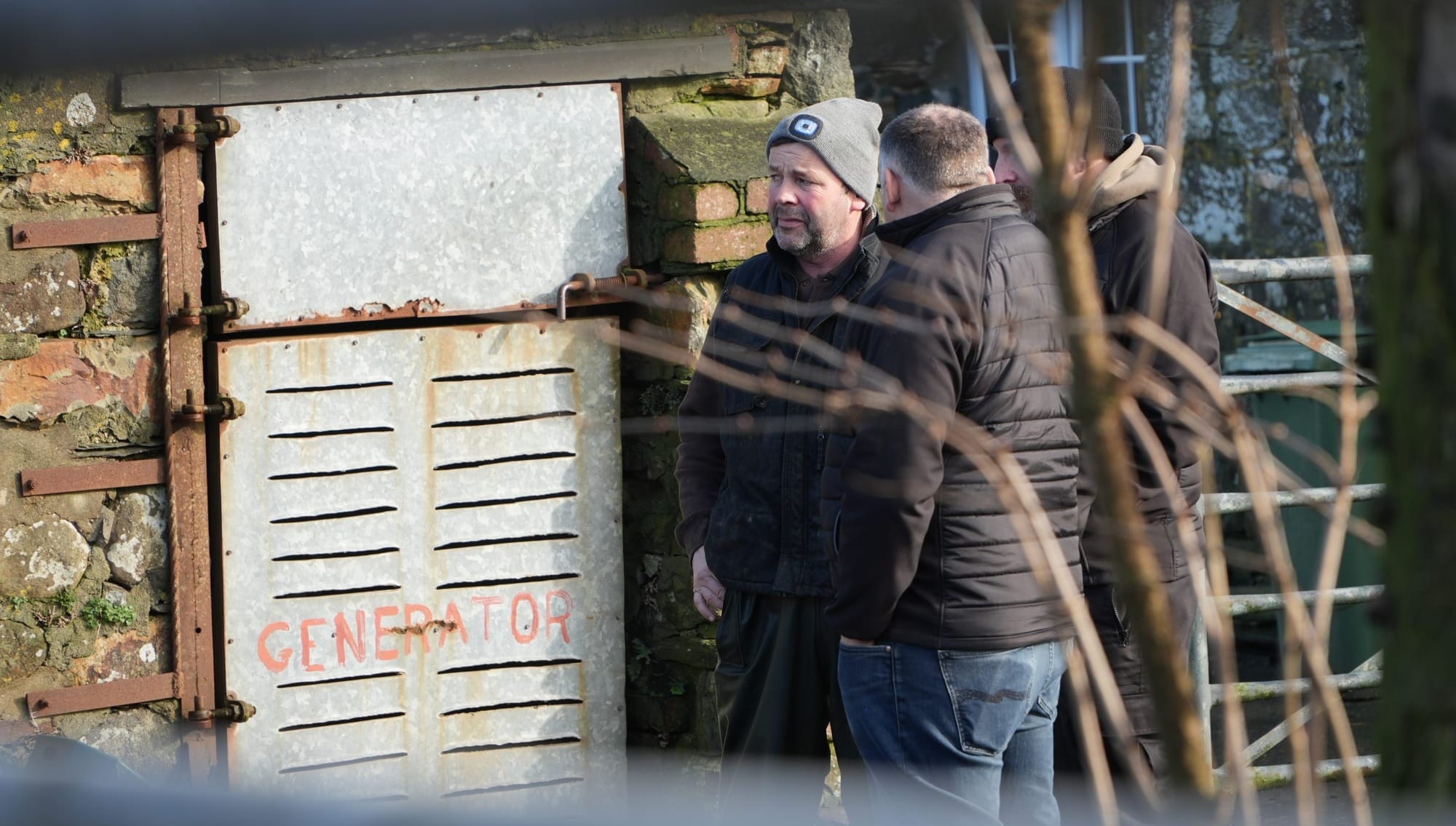
For Paul, waiting up to a year wasn’t realistic. The generator was already under strain. The cows still needed milking twice a day.
He needed an immediate, workable solution.
The Solution: Installing a Wattbox
Paul installed a Wattbox energy system capable of supplying up to 150 amps when required.
What Is a Wattbox?
Wattbox is a fully integrated energy system housed inside a robust container unit. Inside, it contains:
- Large-scale battery storage
- High-capacity inverters
- Integrated solar capability
- Smart energy management controls
Here’s how it works on Paul’s farm:
1️⃣ Overnight Charging
The batteries charge gradually overnight from the grid, when farm demand is lower.
2️⃣ High-Demand Support During Milking
When morning and afternoon milking begin — the period of highest demand — the inverters deliver the additional power required. This prevents the 80-amp fuse from blowing and removes strain from the grid supply.
3️⃣ Generator as True Backup
If battery levels drop below 20%, the generator steps in automatically. It has returned to its original role: emergency backup, not full-time workhorse.
4️⃣ Built-In Solar Capability
The Wattbox unit includes solar panels that provide trickle charging. The system is also designed so that larger solar arrays can be added later — whether on the container itself or across Paul’s extensive roof space.
5️⃣ Built for The Future
The system has also been designed with expansion in mind.
When the time is right, Paul can add large scale solar generation to further reduce reliance on the grid and diesel. With very little adjustment, Paul would be able to install 20-30kw of solar.
Wattbox would also recommend a future move to a day/night electricity tariff which would allow him to charge even more cost-effectively overnight.
This gives Paul a clear pathway to reduce grid reliance even further in the future.
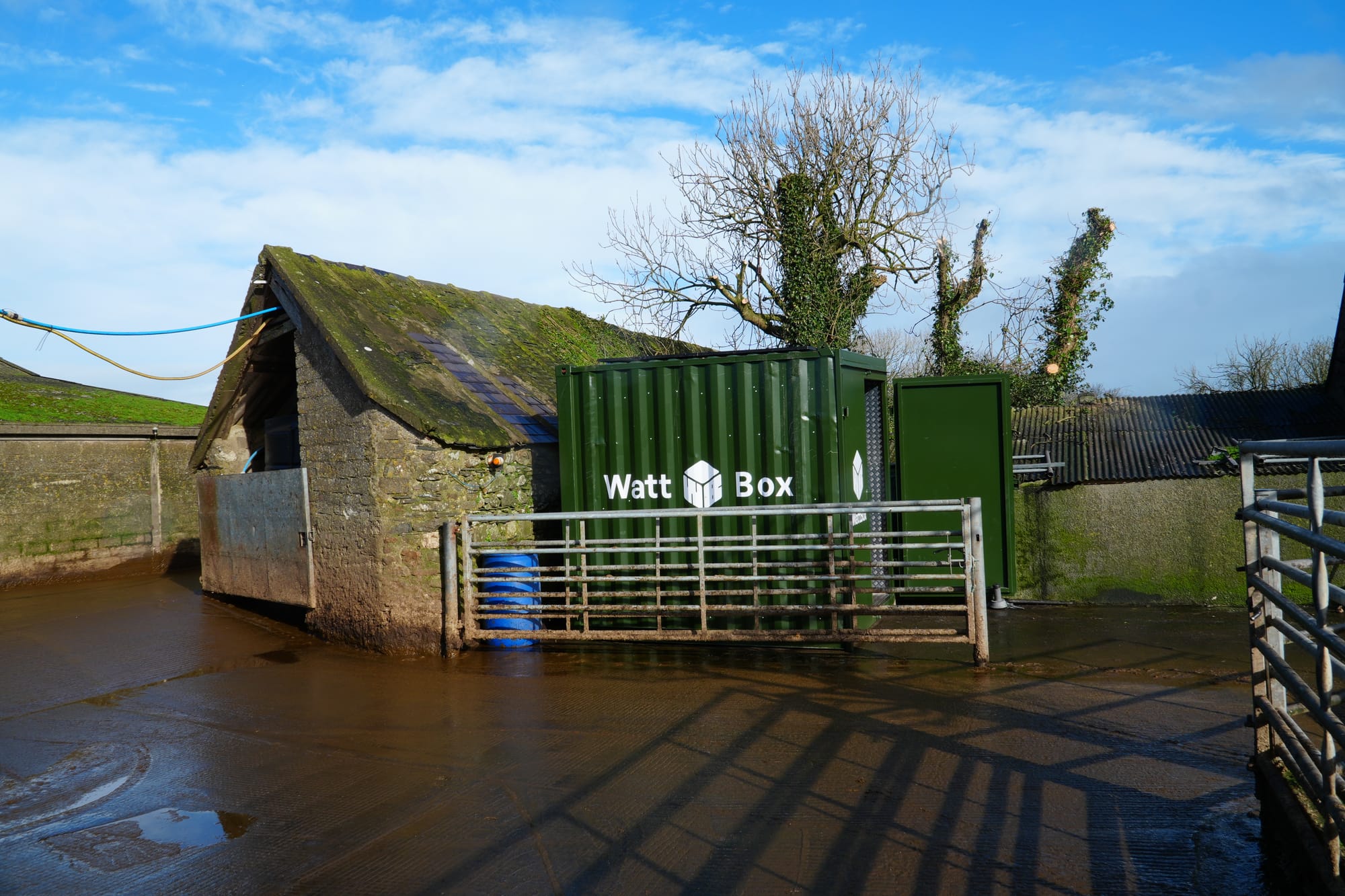
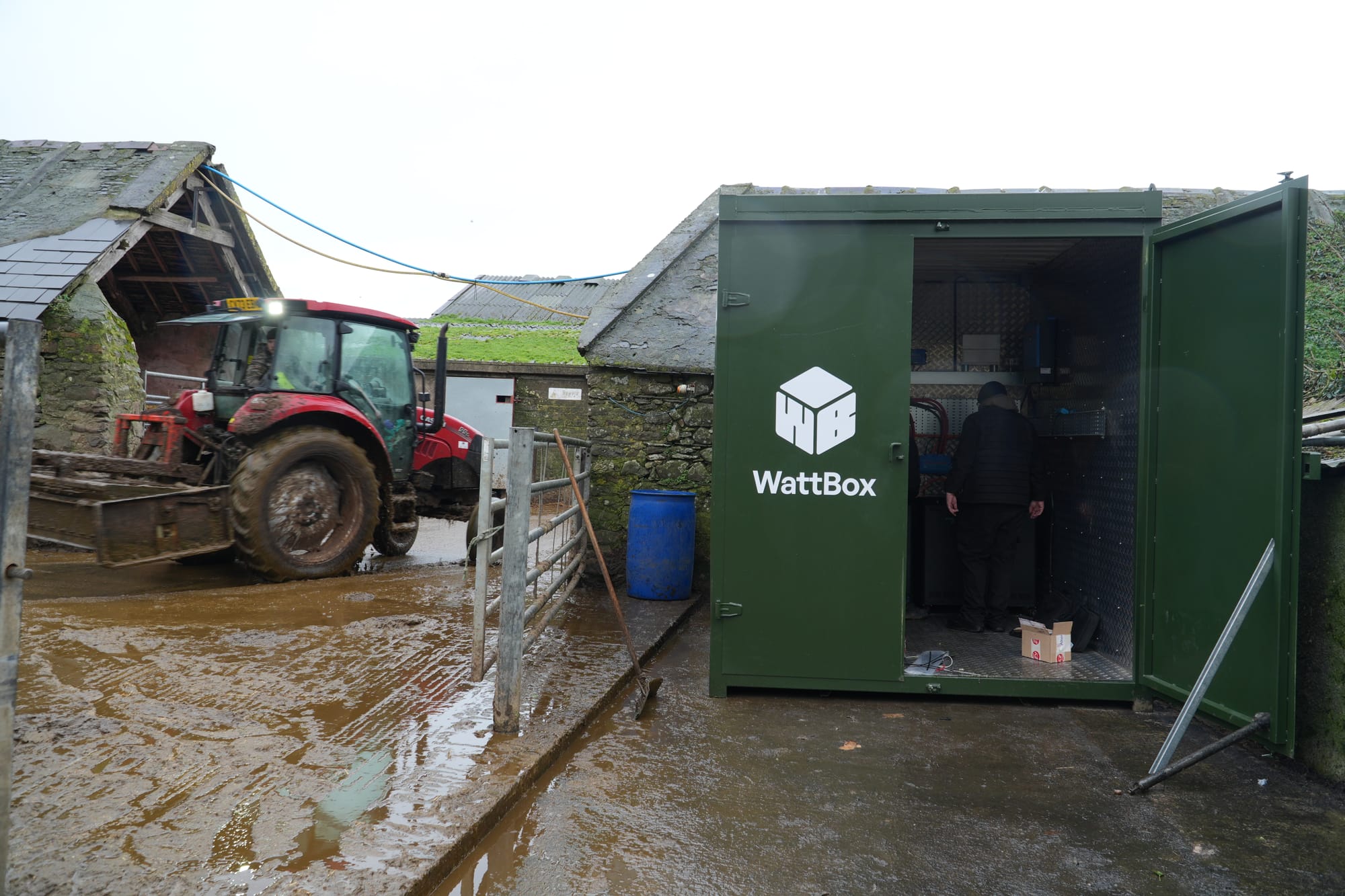
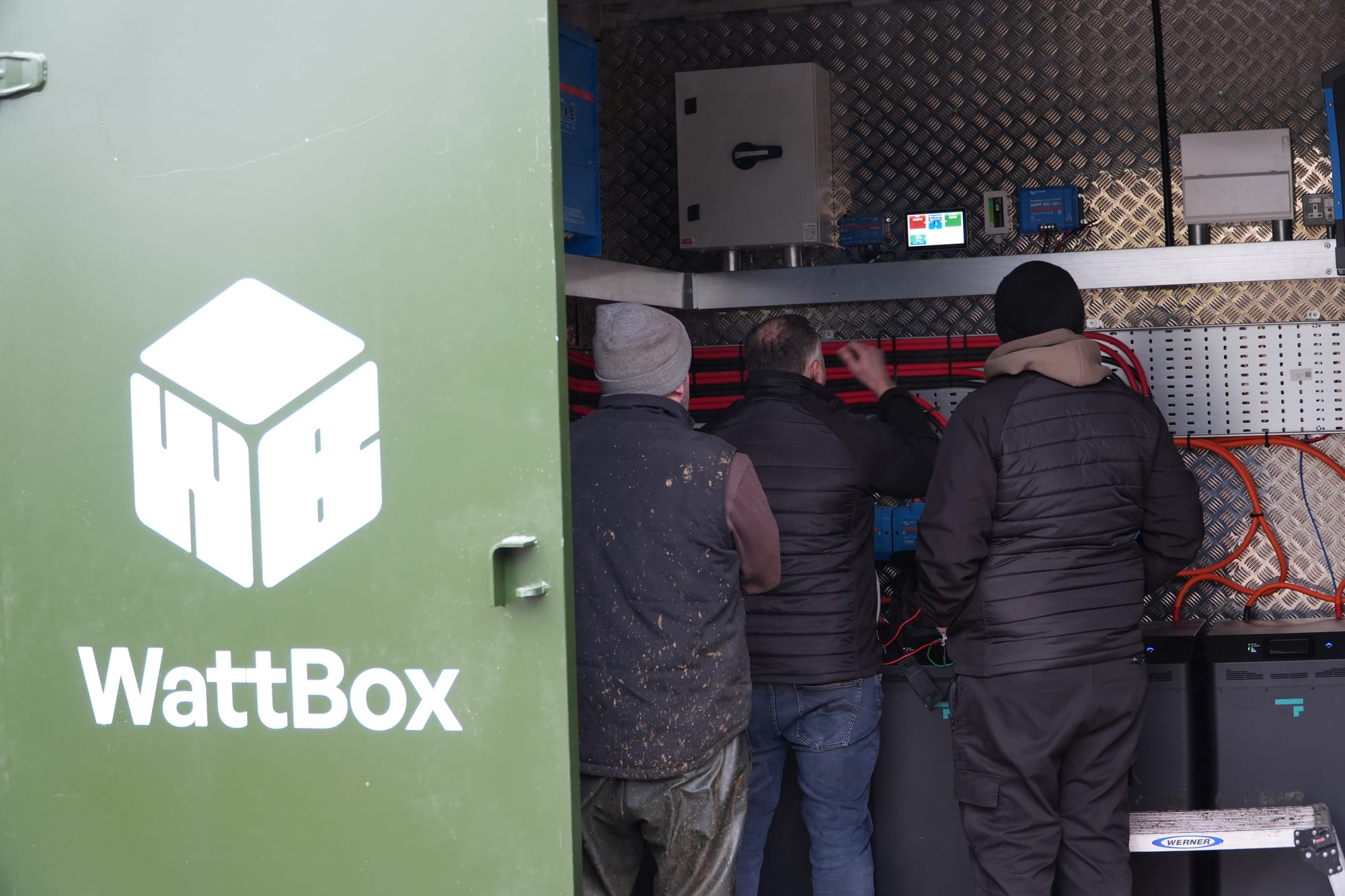
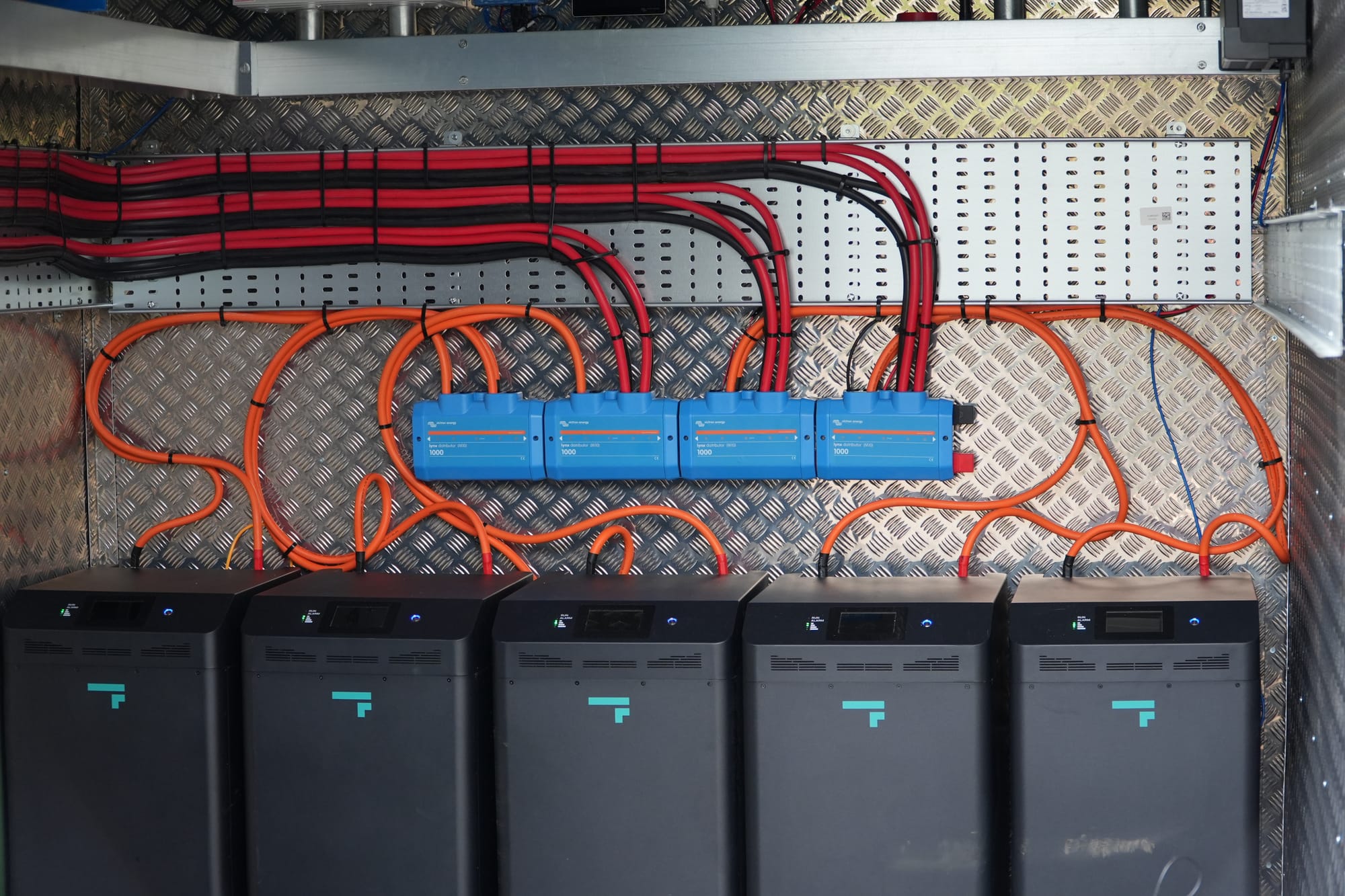
Showcasing the Wattbox container installation at a dairy farm
The Financial and Operational Impact
Since installing Wattbox:
- The fuse no longer blows during milking
- The generator runs far less frequently
- Diesel usage is expected to drop significantly
- Wear and tear on the generator is reduced
- Emergency engineer costs should fall
- Milking runs reliably
- Stress levels have eased
In an industry where milk prices have fallen from around 45–48p per litre to roughly 28p per litre, controlling fixed costs and protecting uptime has never been more important.
Could This Work for Other Farms?
Paul’s situation is not unusual.
Many farms:
- Have gradually increased demand, size and electrical equipment over time
- Sit right on the edge of their supply capacity
- Experience fuse limitations
- Rely too heavily on generators
- Can’t afford long DNO delays
Wattbox gives farms immediate control over their energy use — without waiting months for infrastructure upgrades. If your farm is sitting right on the edge of its supply, you don’t have to wait a year for the DNO. There is another option.
See if Wattbox could work on your farm, get in touch and we will take a deep look into your farm and your power.