
Cutting a £10,000 Monthly Fuel Bill with a Wattbox

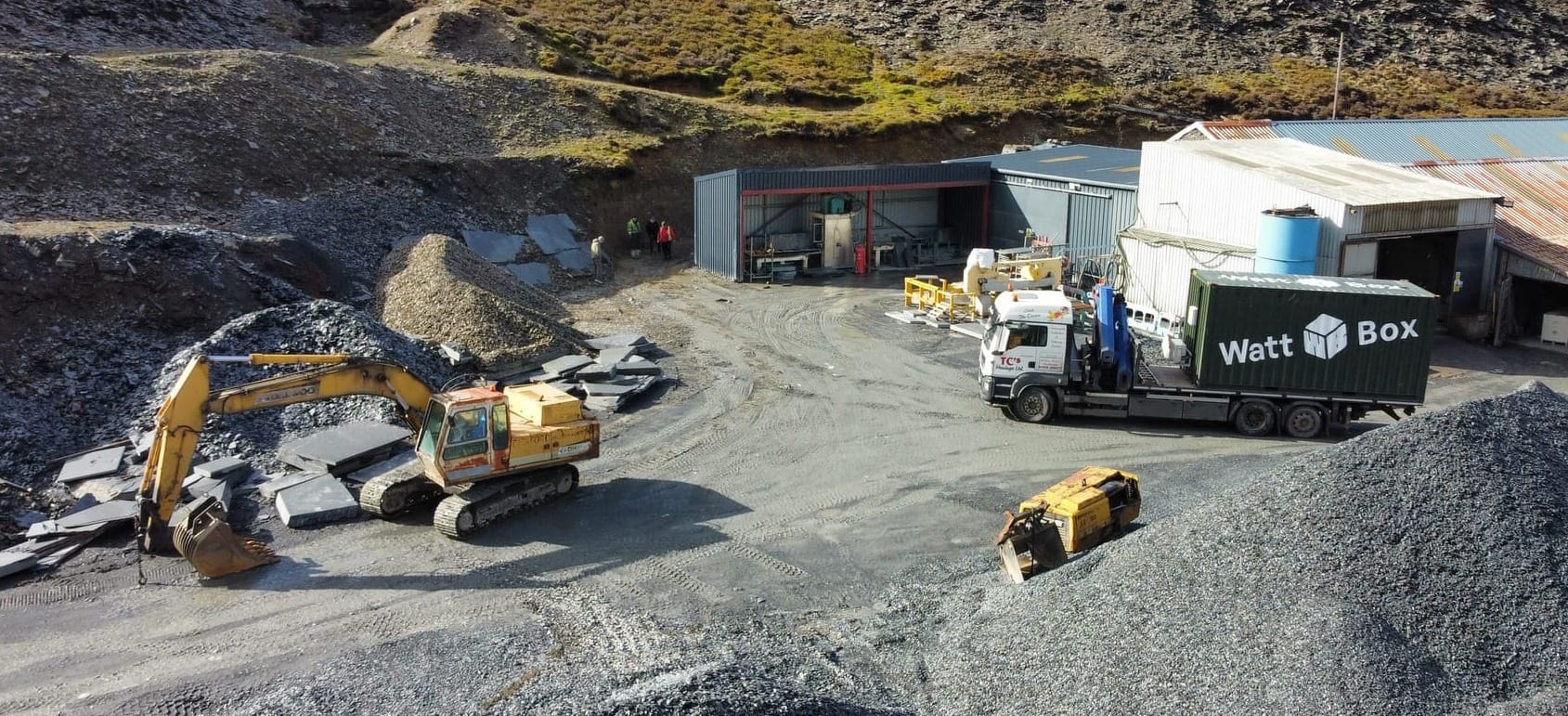
Set on the stunning Horseshoe Pass near Llangollen, Berwyn Slate is a family-run quarry that’s built its reputation on quality and hands-on craftsmanship. Everything happens right there on site—from pulling slate out of the ground to turning it into bespoke pieces for customers.
The catch? It’s all completely off-grid.
With fuel prices climbing and more pressure on traditional ways of powering the site, the team found themselves facing a challenge that’ll sound familiar to a lot of off-grid businesses: how do you keep everything running smoothly without relying so heavily on diesel generators?
A Business Built on Power
Running a modern quarry is no small task. Heavy-duty machinery cuts and processes huge slabs of slate daily, requiring a constant and dependable power supply.
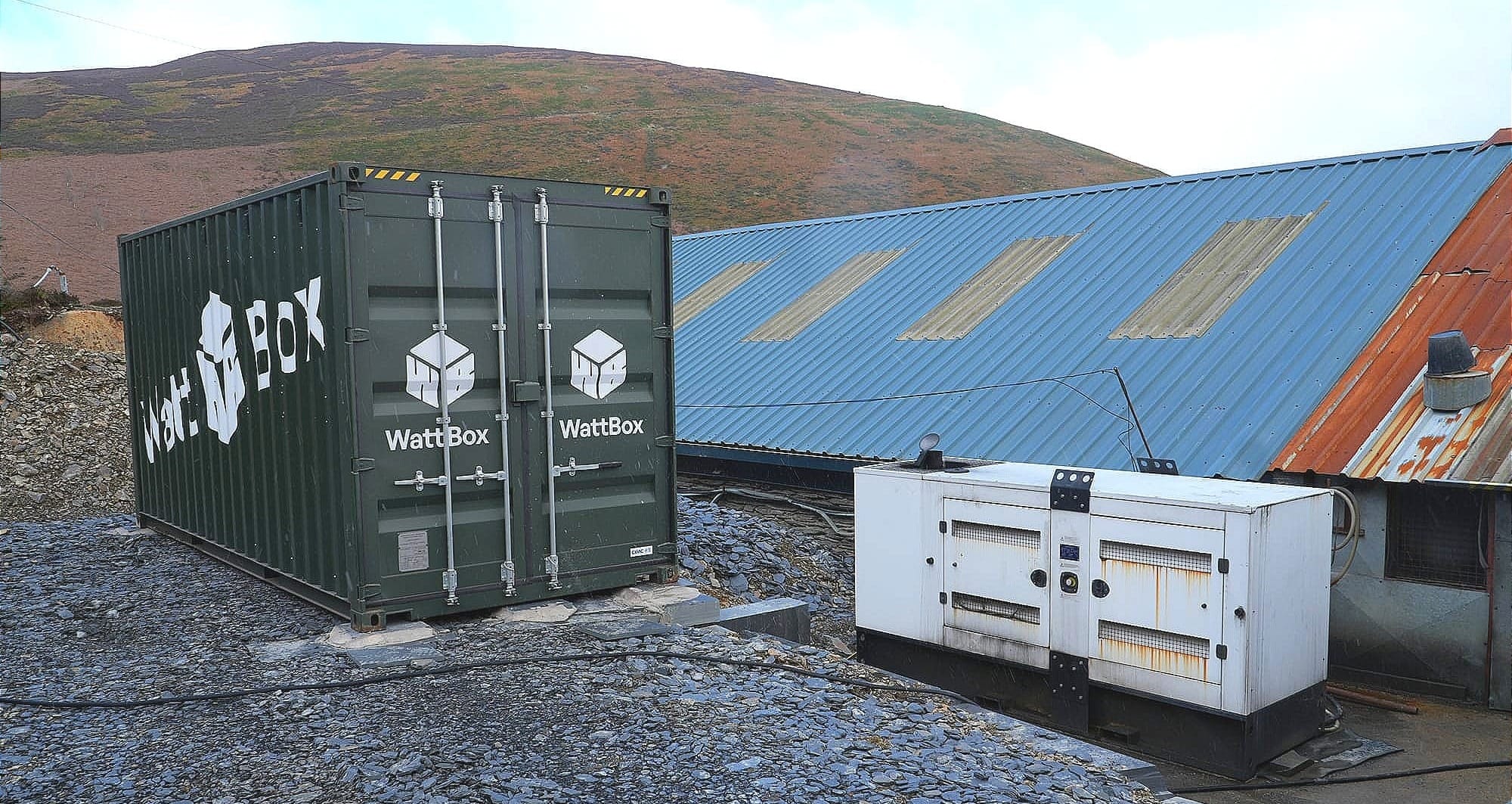
For over 30 years, Berwyn Slate has relied solely on generators—running from early morning through to late afternoon, day in, day out. Over time, this has meant:
- Significant fuel consumption
- Increasing operational costs
- Heavy wear and tear on equipment
- A constant need to monitor and maintain aging generators
One of their generators has already clocked over 25,000 hours, with another at 8,000 hours—and replacing just one comes with a price tag of around £20,000.
Rising Costs, Growing Pressure
Recent global events have only intensified the situation.
A shift from red diesel to white diesel—combined with ongoing geopolitical tensions—has dramatically increased fuel costs. A recent delivery of 6,000 litres cost around £10,000 and typically lasts around 1 month.
This has forced difficult operational decisions, including limiting the use of their largest machines due to the sheer fuel demand.
It’s clear that relying solely on diesel is no longer sustainable—financially or operationally.
Enter Wattbox: A Smarter Way to Power
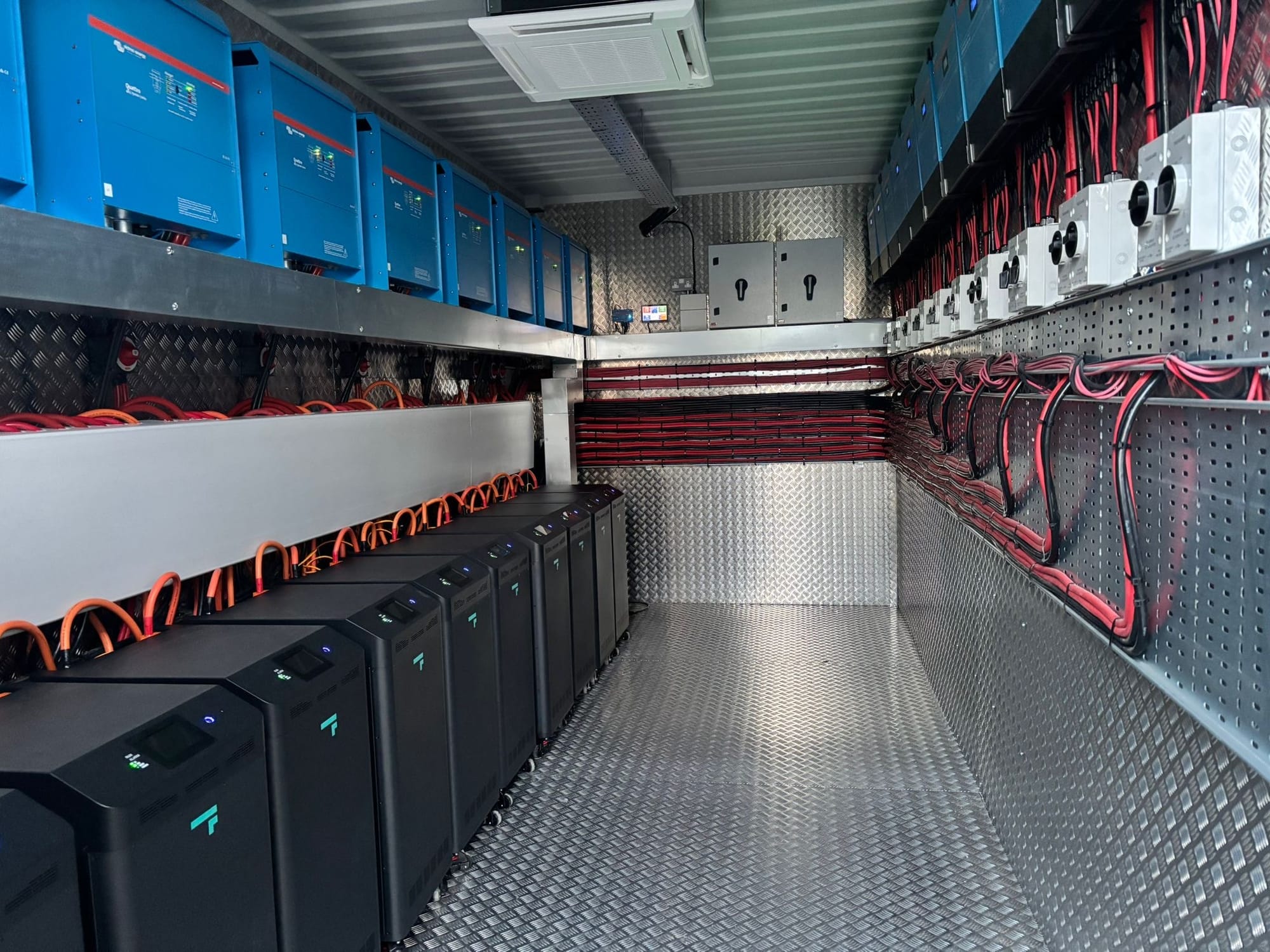
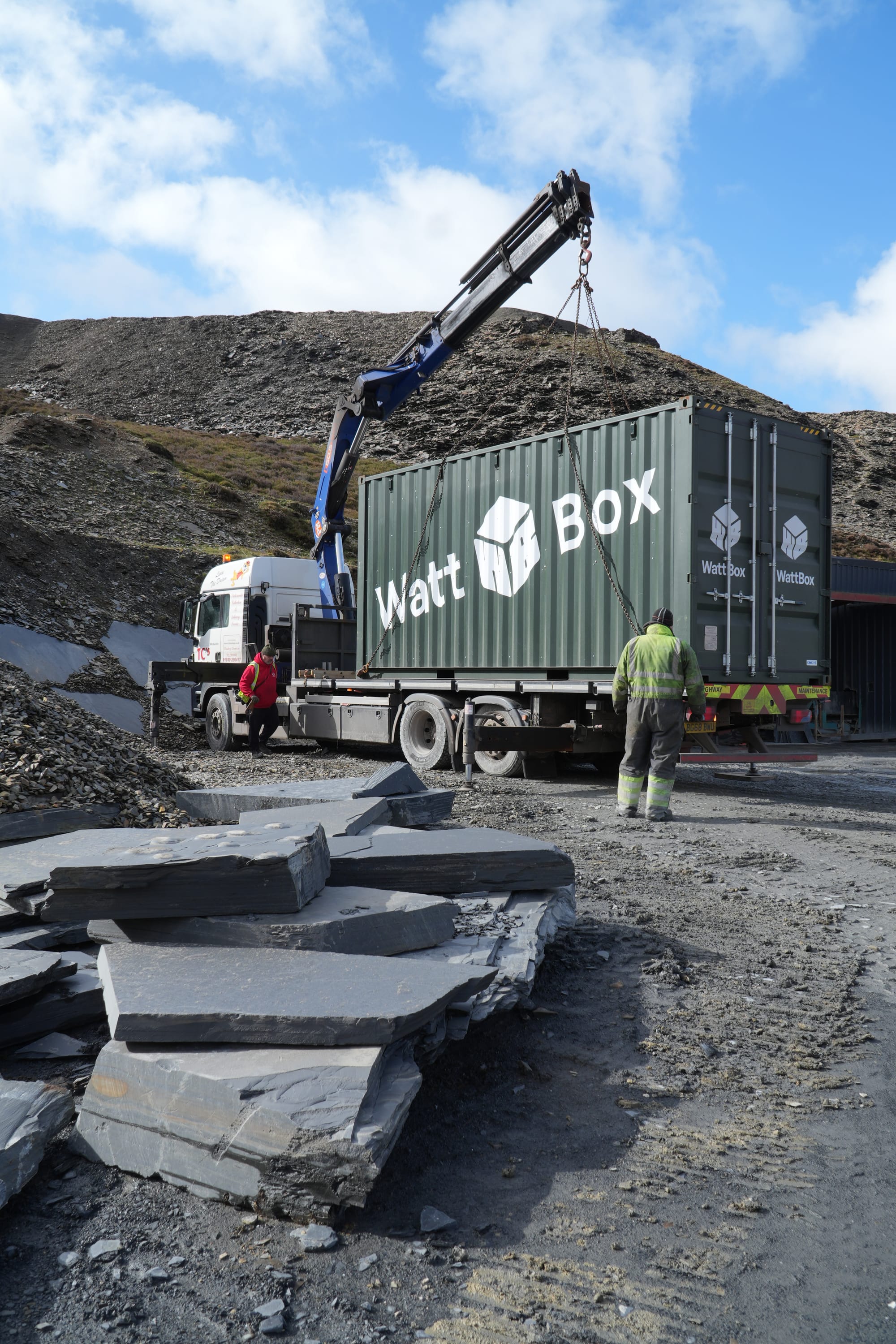
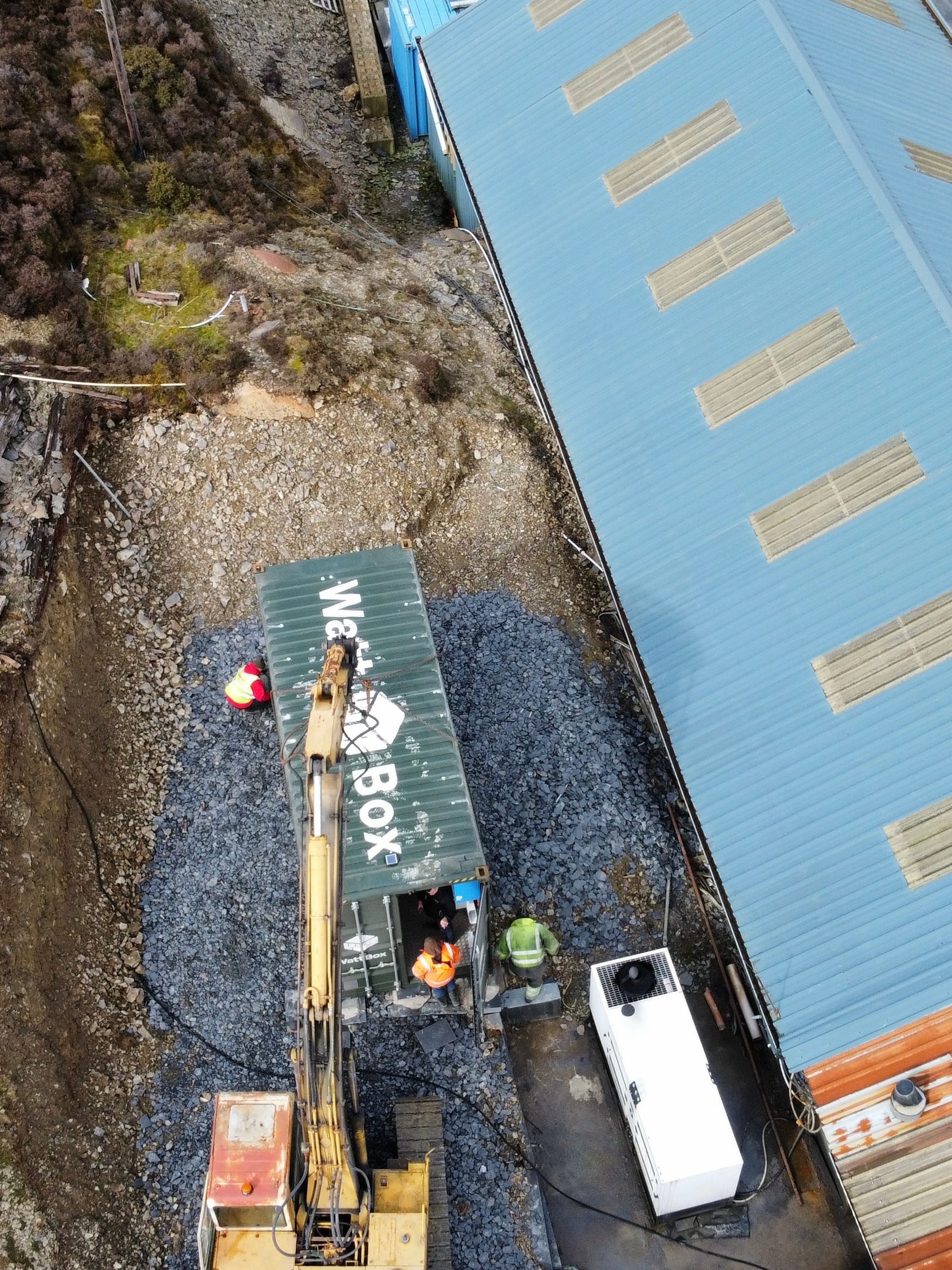
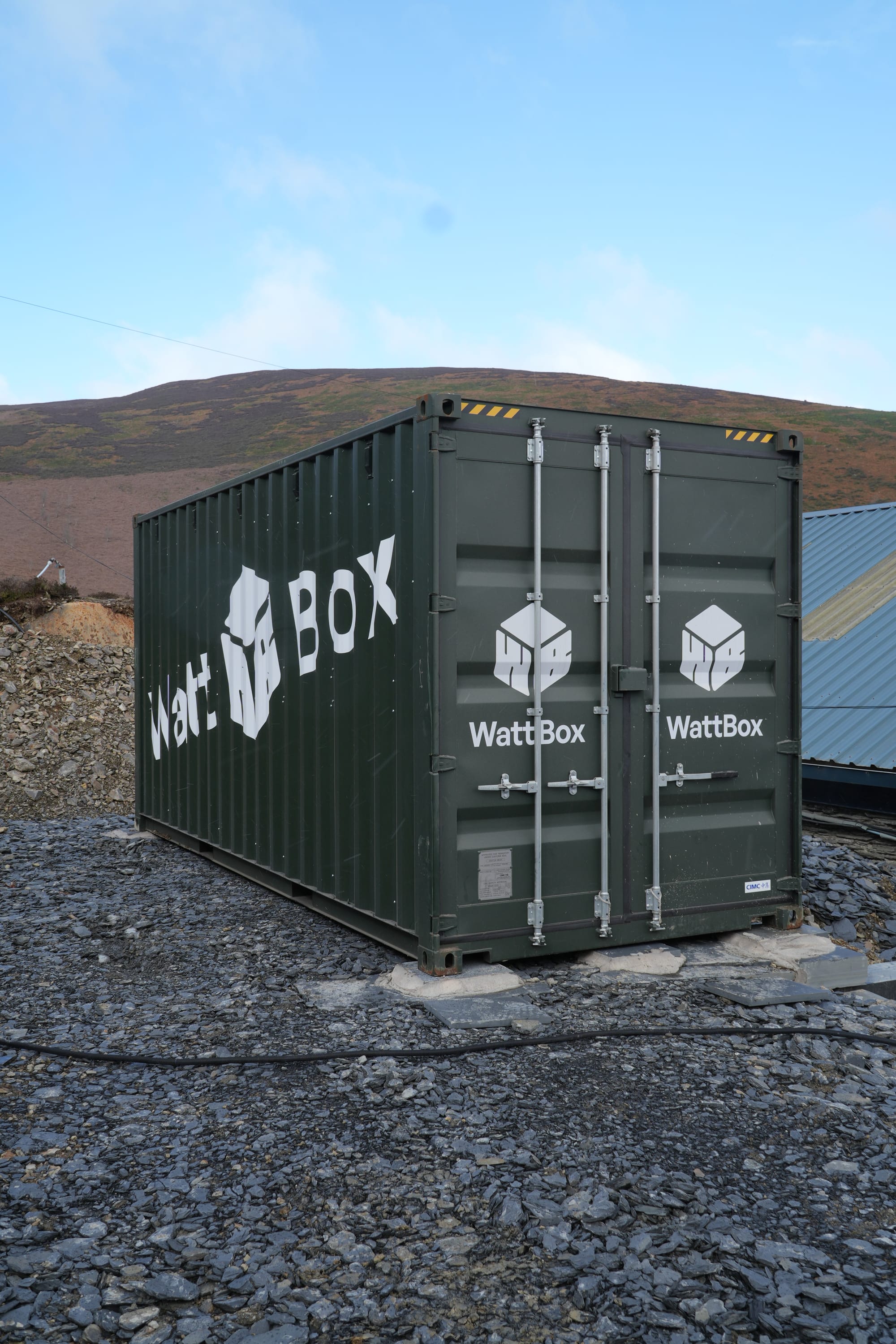
To address these challenges, Berwyn Slate has introduced the largest Wattbox system into their operation—a containerised energy solution perfect for both on and off-grid environments.
This isn’t just a backup system—it’s a complete shift in how the site manages energy.
What the System Includes:
- A high-capacity battery storage system
- Integration with over 100 solar panels (with 20 already installed)
- Intelligent energy management to balance load and usage
Reducing Generator Dependence
The goal is simple but powerful: cut generator usage by up to 50%.
By storing solar energy and using it to power smaller machinery and daily operations, the Wattbox allows the generators to:
- Run less frequently
- Operate more efficiently when needed
- Last significantly longer
This not only reduces fuel costs but also delays the need for costly generator replacements.
Adapting for the Future
With this new system in place, Berwyn Slate is also rethinking how and when they operate.
There’s now an opportunity to shift energy-intensive processes—like cutting large slate blocks—into the summer months when solar generation is at its peak. Meanwhile, quieter winter periods can focus on processing and fulfilling orders using stored materials.
This kind of flexibility simply wasn’t possible before.
Built for Off-Grid Businesses
For a fully off-grid site like Berwyn Slate, solutions like Wattbox aren’t just helpful—they’re essential.
They provide:
- Greater control over energy usage
- Protection against volatile fuel prices
- Improved sustainability
- Long-term cost savings
And most importantly, they allow businesses to continue operating with confidence, even in uncertain times.
A Practical Step Forward
While no single solution eliminates the need for generators entirely—especially for high-demand machinery—the addition of Wattbox marks a significant step toward a more balanced, efficient energy system.
For Berwyn Slate, it’s about working smarter with the resources available and building resilience for the years ahead.
