So What is a Wattbox and How Does it Work?

Section 1 — What is a Wattbox?
1.1 The Basics
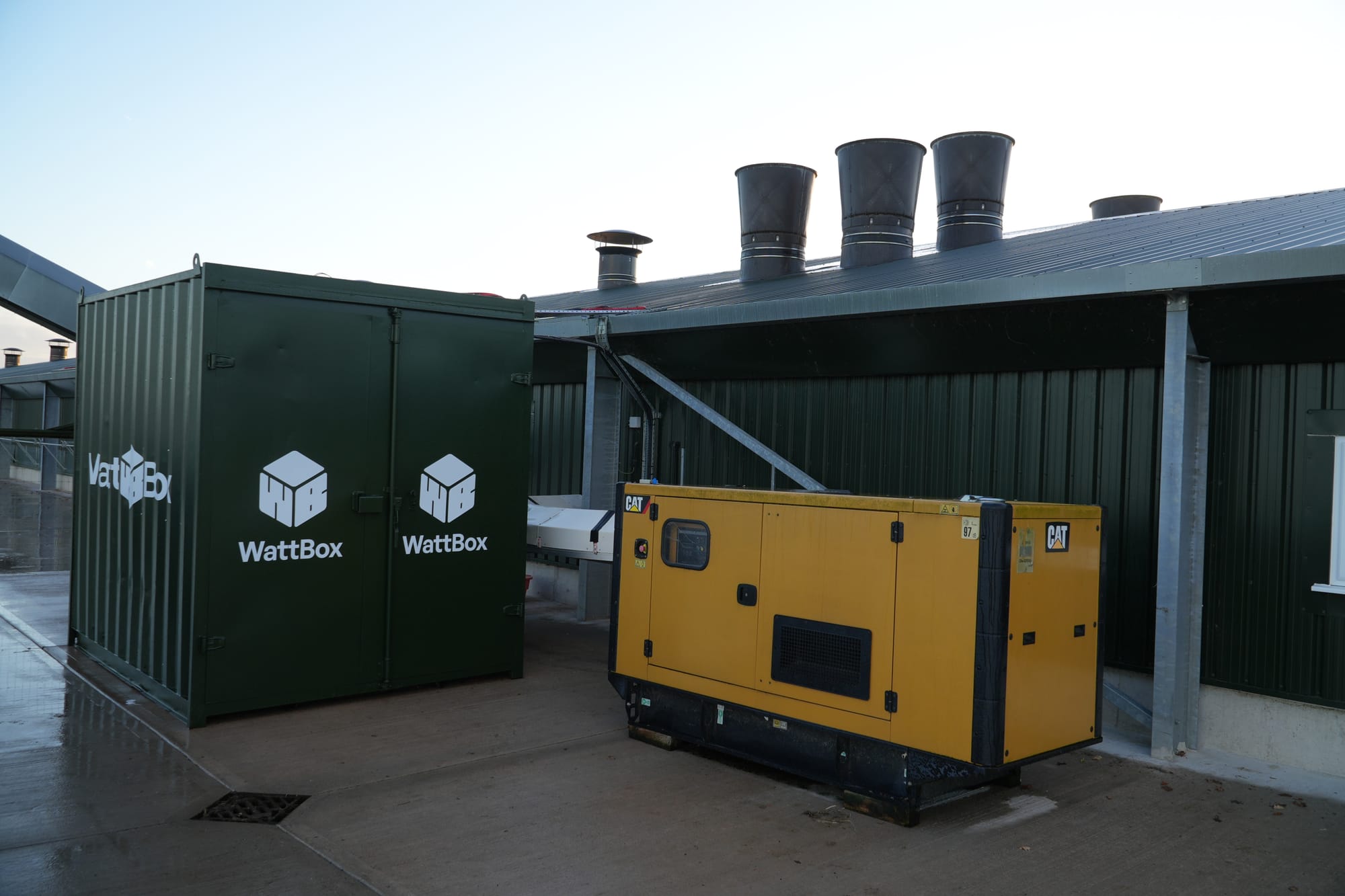
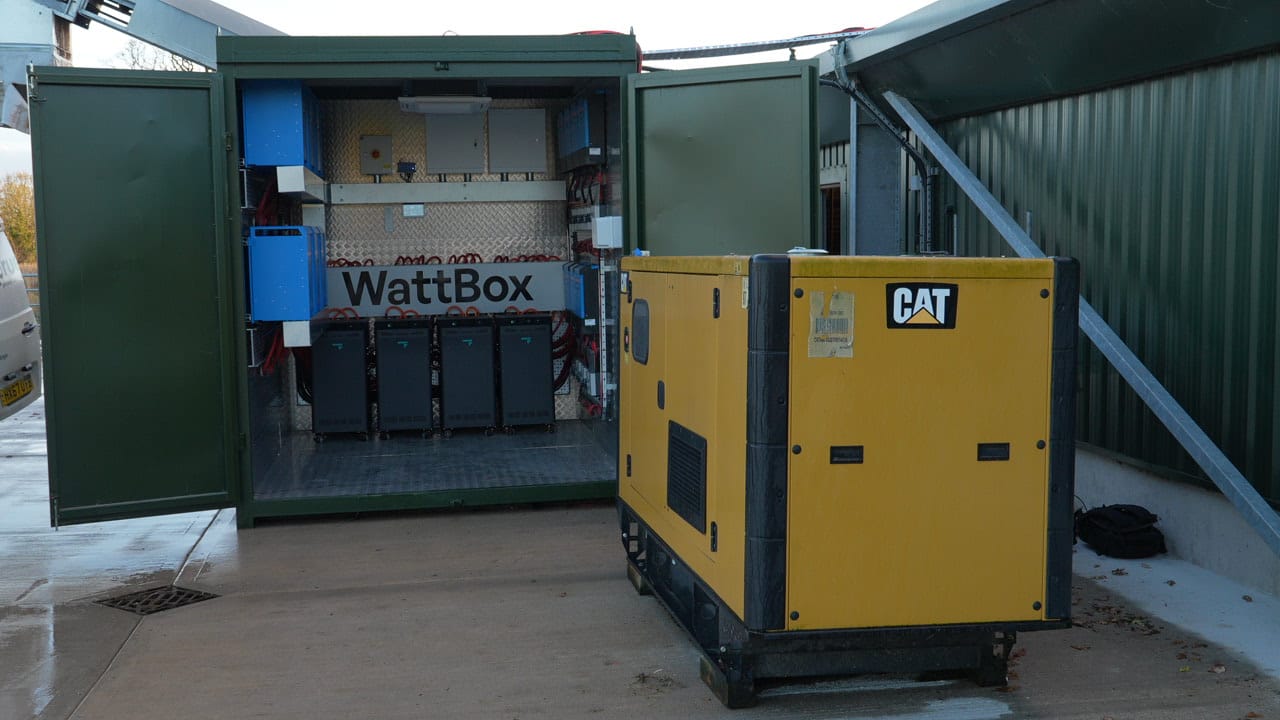
A Wattbox is a ready-to-use, pre-built container full of:
- Batteries – Storing excess solar energy and charging from mains while electricity is cheap.
- Inverters – convert stored 48V power to usable single or three phase 230V to run power machinery on your farm.
- MPPT Solar Chargers – Harvests the high voltage solar energy and uses it to charge the batteries.
Together, these components let a farm store and manage its own energy efficiently.
1.2 Why Storage Matters
If you have solar panels but no storage:
- You generate more energy than you use during the day.
- Excess energy is sold back to the grid at very low prices.
- Later, when you need power, you buy electricity from the grid at higher prices. Buying electricity at 30p per (kWh) and selling it back for 5p per (kWh) is not a great deal.
A Wattbox changes this by storing the excess energy so it can be used when it’s needed most.
1.3 How It Works
The Wattbox integrates seamlessly into the farm’s electrical system:
- Connected to solar panels: Stores excess energy generated during the day.
- Connected to the grid: Charge up the batteries when electric is cheap to use the power during peak and expensive times.
- Connected to a backup generator: Keeps essential systems running during outages.
How it operates:
- Solar energy is generated.
- Excess energy flows into the Wattbox batteries.
- Energy is automatically dispatched to the farm when needed.
- Grid or generator kicks in only when required.
Result: Reliable electricity, maximised solar usage, and minimal costs — no matter the weather or grid conditions.
1.4 Why Now is the Perfect Time
- Component costs are lower – Batteries and solar panels are more affordable than ever.
- Electricity prices are rising – Using stored energy saves more money now than in the past. Prices of electric only look like they are going to increase in the coming years.
1.5 Extra Benefits of a Wattbox
- Backup power for grid outages
- Smart energy management.
- Quick installation with minimal farm disruption.
- Scalable for your farm’s energy needs.
- Environmental impact by using more clean energy.
- Power assist means the Wattbox can be used in parallel with the grid. you to draw from the grid via the Wattbox. If you are limited by the DNO on the power you can draw from the grid, the Wattbox can allow you to do this much cheaper.
- Off-grid power, If you aren’t able to connect to the grid, the Wattbox can store and supply power in more remote locations.
Section 2 — How Does the Wattbox Benefit Your Farm?
2.1 Save Money
- Use stored solar energy instead of buying expensive grid electricity
- Buy energy back from the grid at times that suit your business
- Automatically optimise energy use based on demand and electricity prices.
Result: Lower bills and more control over your energy spending.
- Dairy farms can’t afford to miss milking or dump milk that they can’t keep refrigerated, resulting in loss of income.
- Poultry farms can’t afford to lose a whole flock of chickens if their heating systems fail, complete disaster is only 60 minutes away.
2.2 Save Time
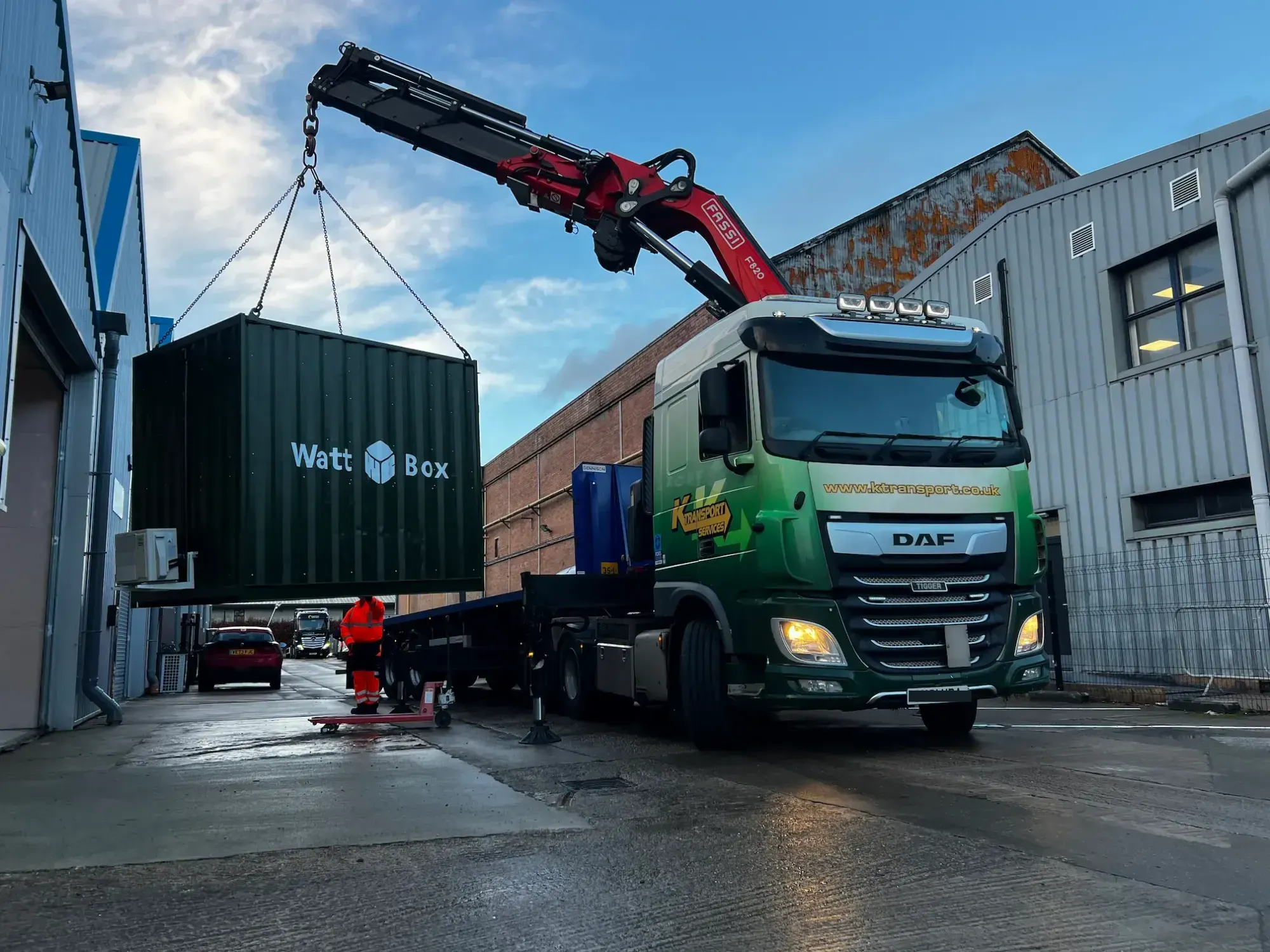
- Pre-built container delivered ready to install
- Automated system monitors generation, storage, and usage
- Seamless integration with solar, grid, and backup generator
Result: Less time managing electricity, more time running the farm.
2.3 Reduce Stress
- Backup power ensures continuity during outages
- Predictable costs thanks to stored energy
- Protects equipment from demand spikes
Result: Peace of mind with reliable, always-available power.
2.4 Flexible and Scalable
- Choose the right size for your farm’s needs
- Expandable as energy demands grow
- Portable container design allows future relocation
Result: A solution that adapts as your farm changes and grows.
2.5 Environmental Benefits
- Reduce reliance on fossil-fuel electricity
- Maximise solar energy usage
- Lower your farm’s carbon footprint
Result: Good for the planet and your farm’s reputation.

WattBoxShareDesign together, not around each otherSee who's working on what in real time and see changes instantly. Saving is now automatic, so there's no more save icon.
You can turn off real-time collaboration in site settings.Got itLearn morewww.wattbox.co.uk/blog/so-what-is-a-wattbox-and-how-does-it-work
So What is a Wattbox and How Does it Work?
Section 1 — What is a Wattbox?
1.1 The Basics
A Wattbox is a ready-to-use, pre-built container full of:
- Batteries – Storing excess solar energy and charging from mains while electricity is cheap.
- Inverters – convert stored 48V power to usable single or three phase 230V to run power machinery on your farm.
- MPPT Solar Chargers – Harvests the high voltage solar energy and uses it to charge the batteries.
Together, these components let a farm store and manage its own energy efficiently.
1.2 Why Storage Matters
If you have solar panels but no storage:
- You generate more energy than you use during the day.
- Excess energy is sold back to the grid at very low prices.
- Later, when you need power, you buy electricity from the grid at higher prices. Buying electricity at 30p per (kWh) and selling it back for 5p per (kWh) is not a great deal.
A Wattbox changes this by storing the excess energy so it can be used when it’s needed most.
1.3 How It Works
The Wattbox integrates seamlessly into the farm’s electrical system:
- Connected to solar panels: Stores excess energy generated during the day.
- Connected to the grid: Charge up the batteries when electric is cheap to use the power during peak and expensive times.
- Connected to a backup generator: Keeps essential systems running during outages.
How it operates:
- Solar energy is generated.
- Excess energy flows into the Wattbox batteries.
- Energy is automatically dispatched to the farm when needed.
- Grid or generator kicks in only when required.
Result: Reliable electricity, maximised solar usage, and minimal costs — no matter the weather or grid conditions.
1.4 Why Now is the Perfect Time
- Component costs are lower – Batteries and solar panels are more affordable than ever.
- Electricity prices are rising – Using stored energy saves more money now than in the past. Prices of electric only look like they are going to increase in the coming years.
1.5 Extra Benefits of a Wattbox
- Backup power for grid outages
- Smart energy management.
- Quick installation with minimal farm disruption.
- Scalable for your farm’s energy needs.
- Environmental impact by using more clean energy.
- Power assist means the Wattbox can be used in parallel with the grid. you to draw from the grid via the Wattbox. If you are limited by the DNO on the power you can draw from the grid, the Wattbox can allow you to do this much cheaper.
- Off-grid power, If you aren’t able to connect to the grid, the Wattbox can store and supply power in more remote locations.

Section 2 — How Does the Wattbox Benefit Your Farm?
2.1 Save Money
- Use stored solar energy instead of buying expensive grid electricity
- Buy energy back from the grid at times that suit your business
- Automatically optimise energy use based on demand and electricity prices.
Result: Lower bills and more control over your energy spending.
- Dairy farms can’t afford to miss milking or dump milk that they can’t keep refrigerated, resulting in loss of income.
- Poultry farms can’t afford to lose a whole flock of chickens if their heating systems fail, complete disaster is only 60 minutes away.
2.2 Save Time
- Pre-built container delivered ready to install
- Automated system monitors generation, storage, and usage
- Seamless integration with solar, grid, and backup generator
Result: Less time managing electricity, more time running the farm.
2.3 Reduce Stress
- Backup power ensures continuity during outages
- Predictable costs thanks to stored energy
- Protects equipment from demand spikes
Result: Peace of mind with reliable, always-available power.
2.4 Flexible and Scalable
- Choose the right size for your farm’s needs
- Expandable as energy demands grow
- Portable container design allows future relocation
Result: A solution that adapts as your farm changes and grows.
2.5 Environmental Benefits
- Reduce reliance on fossil-fuel electricity
- Maximise solar energy usage
- Lower your farm’s carbon footprint
Result: Good for the planet and your farm’s reputation.
Section 3 — A Wattbox in Action: How it Works on a Farm
3.1 Delivered and Ready to Go
Photo suggestion: Show the Wattbox outside the farm, ready for installation.
Caption: “A Wattbox ready to be installed on a farm. Fully pre-built and easy to deploy.”
3.2 Integration with Solar Panels
Photo suggestion: Show solar panels with cables running to the Wattbox.
Caption: “Solar panels feed clean energy into the Wattbox, storing it for when it’s needed most.”
3.3 Connection to the Grid
Photo suggestion: Show electrical connections or an overview of the farm’s grid tie-in.
Caption: “The Wattbox intelligently interacts with the grid to maximise savings.”
3.4 Backup Generator Support
Photo suggestion: Show the generator connection or the generator itself near the Wattbox.
Caption: “Even during power outages, the Wattbox keeps the farm operating smoothly.”
3.5 Smart, Automated Management
Photo suggestion: Open container view showing batteries, inverters, and wiring neatly installed.
Caption: “All the Wattbox technology is pre-installed and automatically manages your farm’s energy.”
3.6 The Result on the Farm
Photo suggestion: Wide shot of the farm in operation with the Wattbox in the background.
Caption: “A Wattbox in action – powering a farm efficiently, reliably, and sustainably.”
- Reduced electricity bills
- Reliable power for critical systems
- Reduced stress and saved time
- Environmental benefits